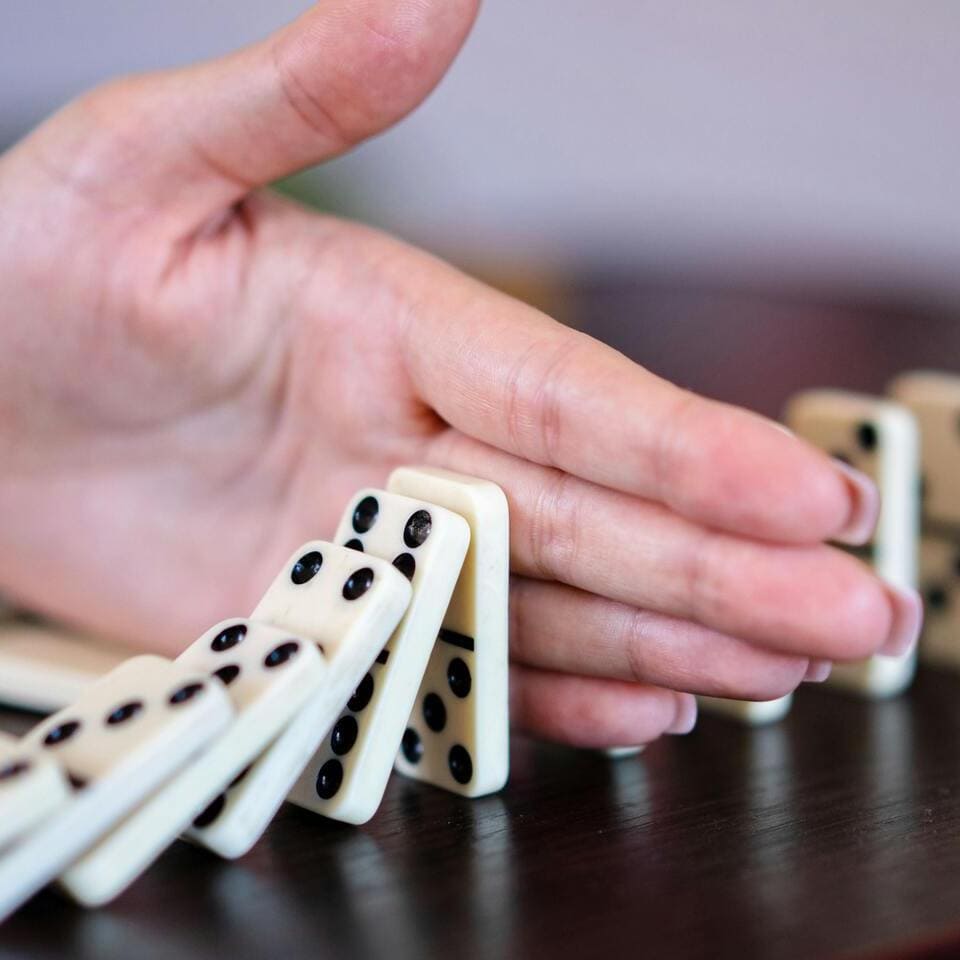
At Stevenhills, we believe that the only way to fully enjoy your betting experience is to practice responsible gambling. We recognize that for some individuals, gambling can have harmful effects on their social and professional lives.
What is responsible gambling?
Responsible gambling encompasses the practices and policies designed to promote safe and controlled gambling behaviour. It emphasizes the importance of understanding the risks involved, making informed decisions, and recognizing when gambling may become problematic.
How to gamble in a responsible manner?
Responsible gambling involves keeping your gambling activities enjoyable and safe, ensuring they do not negatively impact your social or professional life. Here are some tips to help you gamble responsibly:
Set limits
Define a daily/weekly/monthly budget for your gambling expenses and stick to it.
Time management
Define the amount of time you will spend on gambling and stick to it.
Stay informed
Understand the odds of the games you play and bear in mind the house always has an edge. This can help in managing expectations.
Avoid chasing losses
If you lose money, do not attempt to recover your losses by playing more.
Play for fun
Treat gambling as a form of entertainment and not a way to make money.
Take breaks
Take regular breaks during your gambling sessions to clear your mind and assess your feelings about the activity.
Be aware of signs
If you start showing signs of gambling related problems like gambling more than planned, feeling anxious about your gambling or neglecting responsibilities, do pay attention.
Seek help in case of need
If you feel that gambling is becoming a problem, reach out for help below:
Gamblers Anonymous
5760-4340 / 5910-0152
From 14:00 to 22:00 hrs
What is gambling problem?
Problem gambling, often referred to as gambling addiction or compulsive gambling, is a behavioural condition characterized by an uncontrollable urge to gamble despite negative consequences. Individuals experiencing problem gambling may encounter the following symptoms:
Loss of control
Difficulty in limiting the amount of time or money spent on gambling.
Preoccupation
Constantly thinking about gambling, planning the next gambling session, or reliving past gambling experiences.
Chasing losses
Continuing to gamble in an attempt to recover lost money, often leads to deeper financial issues.
Neglecting responsibilities
Ignoring personal, work, or academic responsibilities due to gambling.
Emotional distress
Fings of anxiety, depression, or guilt related to gambling behaviour.
Withdrawal
Experiencing restlessness or irritability when not gambling.
Deceit
Lying to friends or family about the extent of gambling activities.
Gambling problem can have serious impacts on an individual’s life, affecting relationships, finances, and mental health. It is crucial for those who recognize these signs in themselves or others to seek help.
Common myths and facts about gambling
Myth: Gambling is a way to get rich quickly
Fact: Most gamblers lose money over time. Gambling is designed to give the house an edge, making it difficult to consistently win.
Myth: Casino games are rigged against players
Fact: While the house does have an advantage, games are regulated to ensure fairness. Skill-based games may offer better odds for knowledgeable players, but no game guarantees wins.
Myth: Winning streaks are common
Fact: Gambling outcomes are random, and each game is independent of previous outcomes. There’s no guarantee of winning after a loss, nor that losses will follow a win.
Myth: You can predict outcomes with patterns
Fact: Many people believe they can spot patterns in games like roulette or slot machines. However, outcomes are random, and past results do not influence future ones.
Myth: Betting more will increase your chances of winning
Fact: Betting more can increase your potential payout but it does not increase your odds of winning